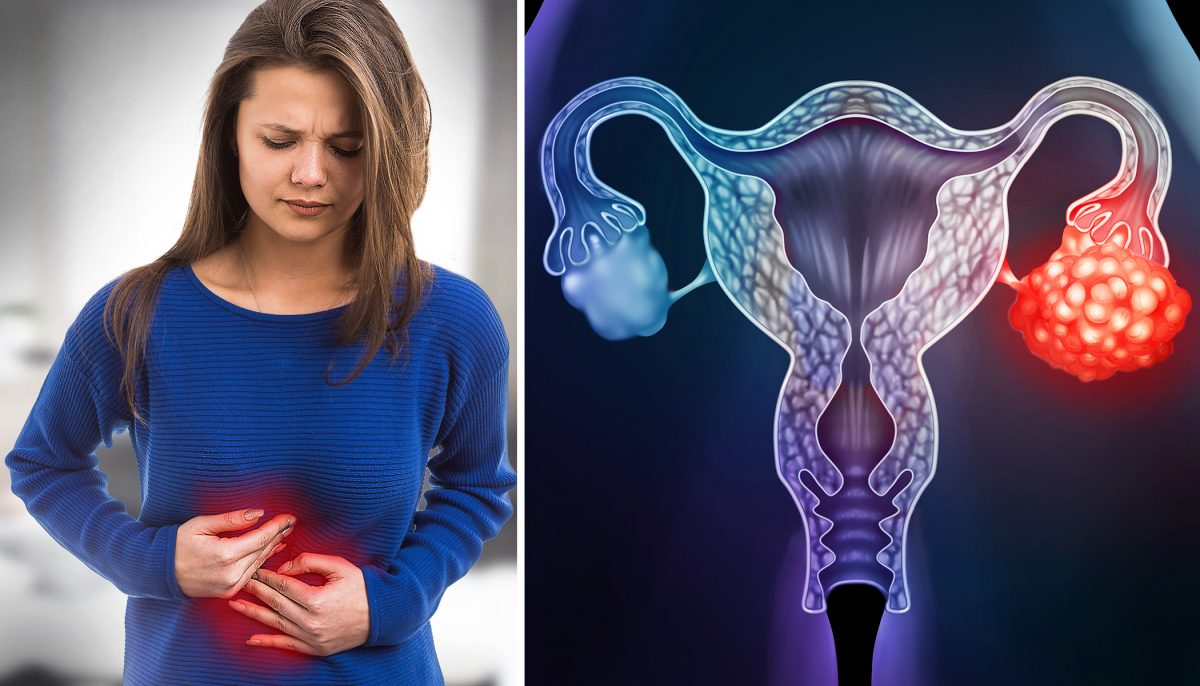
Unveiling the Stealthy Progression of Ovarian Cancer: A Critical Exploration of IISc's Research
In a groundbreaking study, researchers at the Indian Institute of Science (IISc) have uncovered a potential link between ageing tissues and the rapid spread of ovarian cancer. Published in Cellular and Molecular Life Sciences, this research provides crucial insights into the elusive nature of ovarian cancer, shedding light on why this disease remains undetected until it reaches an advanced stage, posing a significant challenge for timely intervention.
Understanding Ovarian Cancer's Stealthy Progression
Ovarian cancer is notorious for its stealthy progression, often eluding early detection due to symptoms that mimic less severe conditions. By the time it is diagnosed, the cancer has frequently metastasized beyond the ovaries, contributing to the challenges in treatment and reducing survival rates. The recent study by the IISc team, led by Associate Professor Ramray Bhat, delves into the mechanisms behind this stealthy progression, revealing a potential link between senescent or aged tissues and the aggressive spread of ovarian cancer.
Senescent Tissues and Extracellular Matrix: A Critical Connection
The IISc study utilized a chemotherapy-induced senescent model to simulate the effects of ageing at the cellular level. This involved exposing tissues from the lining of body cavities in mice to chemotherapeutics, inducing a state of senescence where cells cease to replicate but do not die, akin to bodily ageing. The researchers observed a striking preference for cancer cells to settle on aged tissues and position themselves closer to senescent cells.
Initially hypothesizing that signalling molecules from aged cells might attract cancer cells, the team discovered a different culprit through computer models and further experiments—the proteins in the extracellular matrix (ECM) laid down by aged cells. Proteins such as fibronectin, laminin, and hyaluronan were found in higher levels around senescent cells, providing a more favorable binding site for cancer cells and facilitating rapid spread.
Implications for Cancer Outcomes and Chemotherapy
This groundbreaking discovery aligns with the unfortunate reality that older populations often face worse cancer outcomes. Moreover, the study raises concerns about the potential impact of chemotherapy, a standard cancer treatment, inducing senescence in cells and potentially exacerbating the problem. Professor Bhat emphasizes the critical need for appropriate chemotherapy use to improve outcomes for ovarian cancer patients, highlighting the delicate balance between treatment benefits and unintended consequences.
The Role of Matrix Proteins and Future Treatment Strategies
The identification of matrix proteins, particularly fibronectin, laminin, and hyaluronan, presents an opportunity to predict cancer cell deposition in tissues. This revelation opens new avenues for future studies exploring the use of senolytics—drugs targeting senescent cells—as a combination therapy with chemotherapy. By understanding the role of matrix proteins, researchers hope to develop more targeted treatment strategies that consider the complex interplay between ageing tissues and cancer progression.
Final Thoughts
In the realm of medical research, uncovering the intricate mechanisms behind the progression of diseases like ovarian cancer is paramount. The IISc study not only enhances our understanding of why ovarian cancer often remains stealthy until it's too late but also underscores the importance of personalized and thoughtful approaches to cancer treatment. As we navigate the delicate balance between chemotherapy benefits and unintended consequences, the quest for more effective therapies, such as senolytics, becomes increasingly crucial. This research not only sheds light on the complexities of ovarian cancer but also offers hope for improved treatment strategies, especially for the aged population most at risk.
In conclusion, the IISc's groundbreaking findings pave the way for a deeper comprehension of ovarian cancer's intricate dynamics, providing a foundation for future research and targeted interventions. As the medical community continues to unravel the complexities of cancer progression, each discovery takes us one step closer to more effective treatments and, ultimately, better outcomes for patients.
News: Complete News: India Today